
The Robberg seal colony
Robberg means seal mountain. For most of the last century there were no seals on it. This is how they came back.
- Seals in Plett today
- About 8 000local population, CapeNature and Bitou, Dec 2024
- Colony wiped out
- Late 1800sby sealing
- Seals returned
- 1990son their own
- Counted in 2009
- 3 100+up from under 300 in 2000
Where the colony is
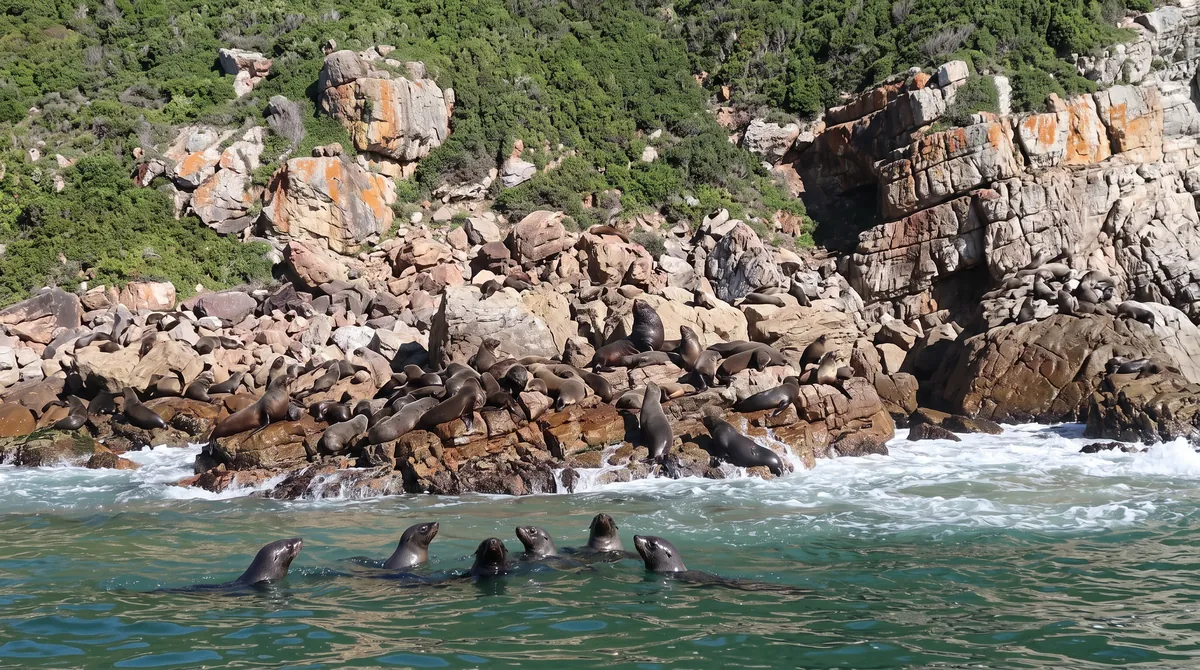
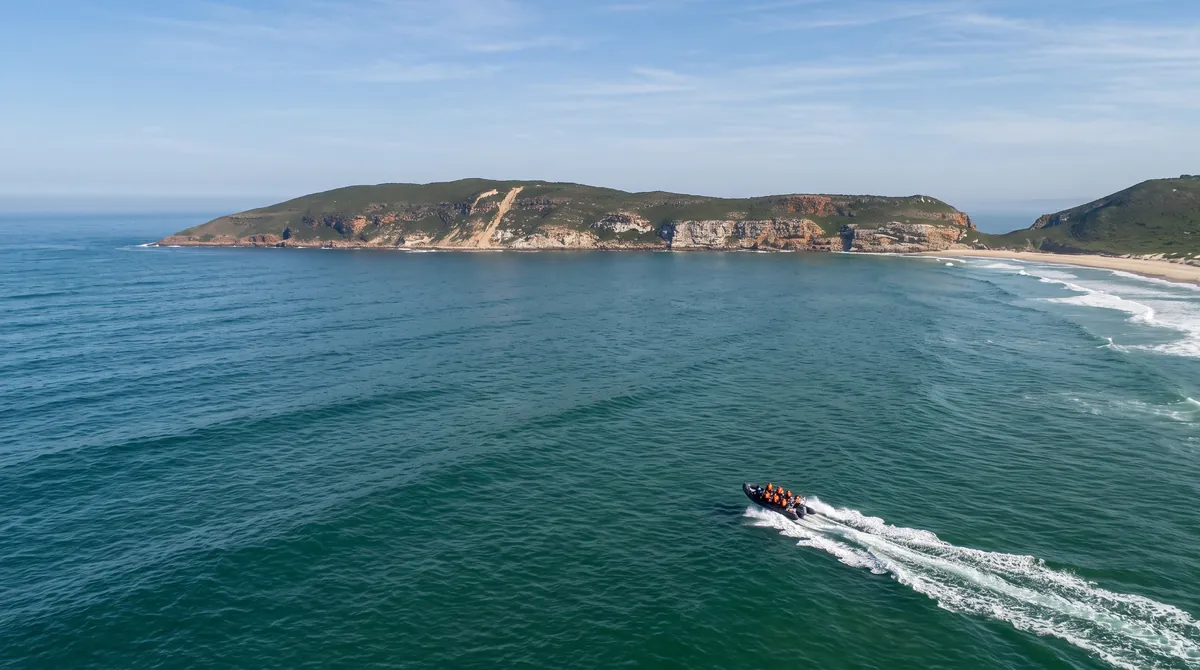
The Robberg seal colony is on the northern, sheltered side of the Robberg Peninsula, about eight kilometres south of Plettenberg Bay. The seals haul out on the boulders and ledges at the foot of the cliffs, inside Robberg Nature Reserve and its Marine Protected Area.
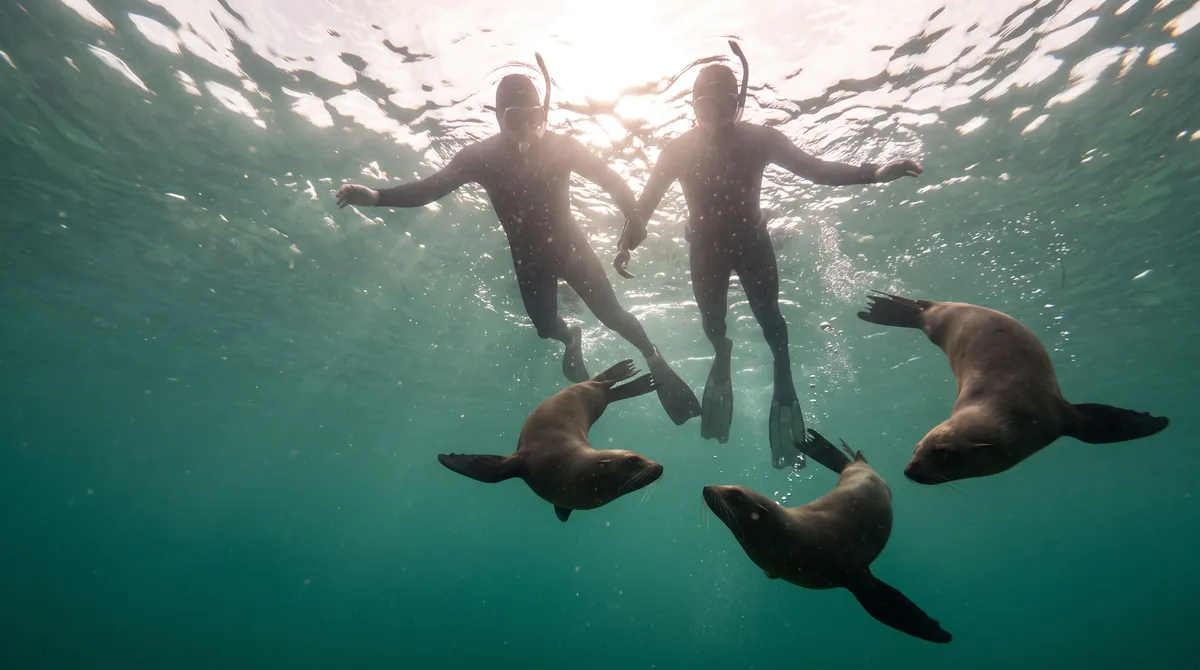
From the hiking trail you look straight down on them from the cliff top. From the water you are level with them: hundreds on the rocks, and hundreds more rafting, porpoising and diving around the boat.
Gone for a hundred years
Early Dutch sailors named the headland Robbe Berg, seal mountain, for the animals that covered its rocks. Then sealers arrived. By the late 1800s, indiscriminate harvesting had wiped the colony out.
For most of the twentieth century Robberg was seal mountain in name only.
The return
In the 1990s, Cape fur seals began hauling out here again. Researchers who followed the recolonisation counted fewer than 300 animals in 2000 and more than 3 100 by 2009. They noted that the reserve and the Marine Protected Area around the peninsula helped the seals settle.
The colony has kept growing. In December 2024, CapeNature and Bitou Municipality put Plettenberg Bay’s seal population at about 8 000.
Why Robberg suits a seal
- Shelter. The northern shore faces away from the prevailing south-westerly swell.
- Food. The bay and the Agulhas Bank beyond it are rich fishing grounds.
- Protection. The peninsula is a nature reserve, and the sea around it is a Marine Protected Area where boat fishing and spearfishing are not allowed.
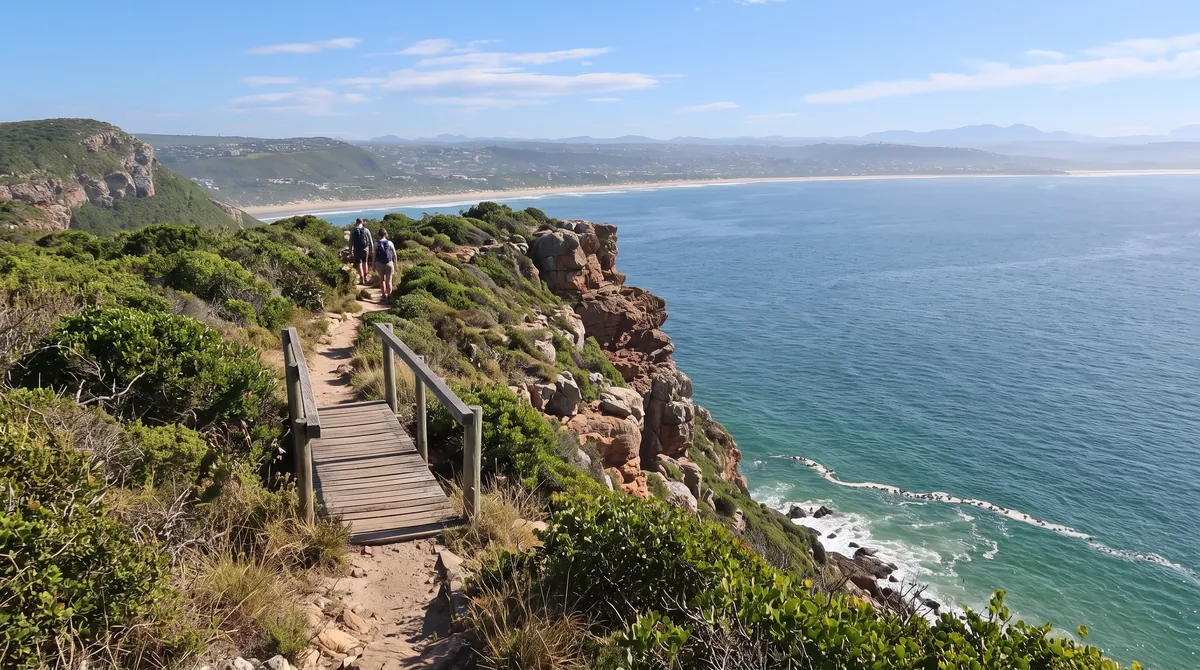
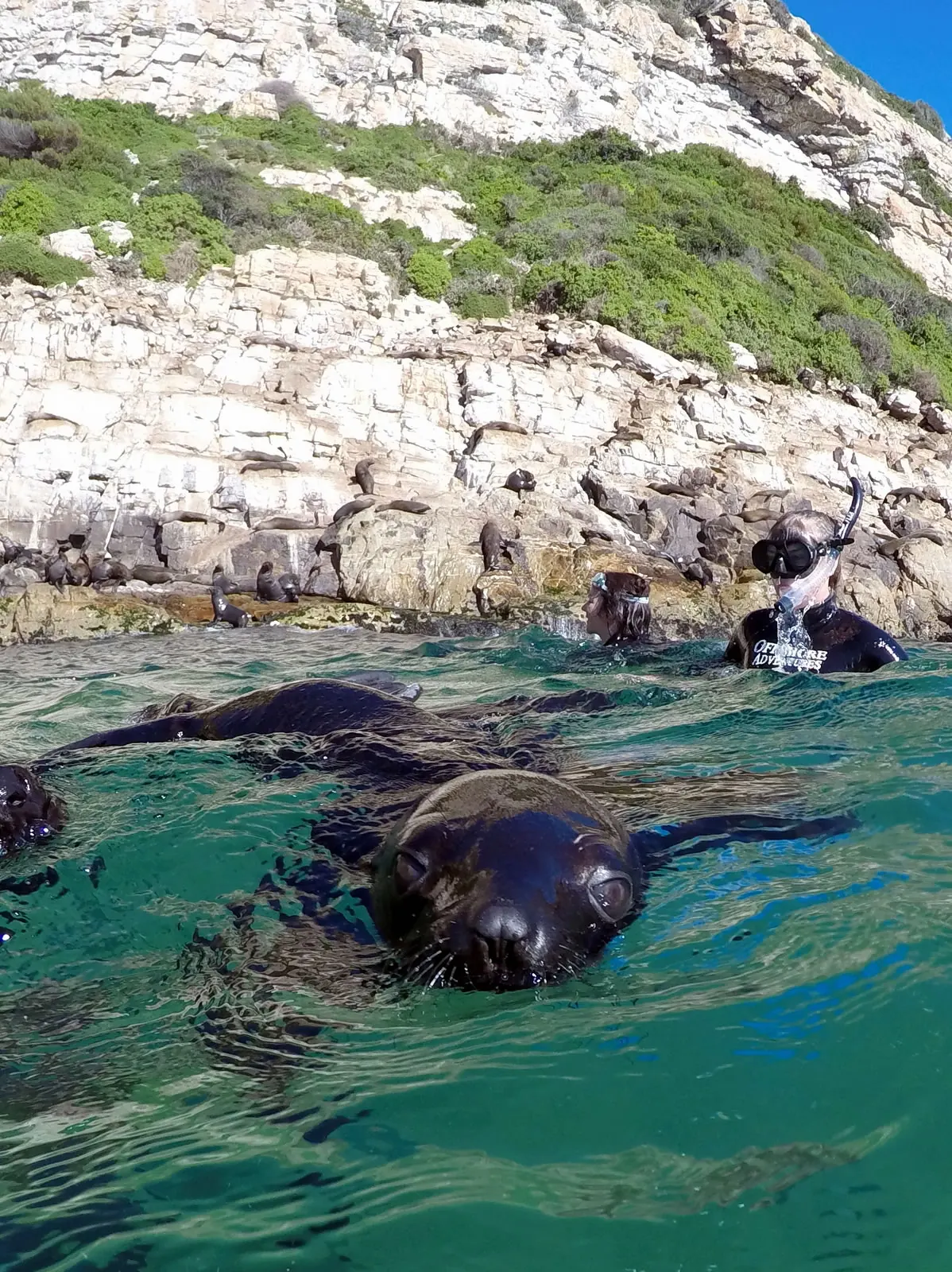 Photo from our trips
Three ways to see the colony
In the water
A guided snorkel beside the colony. R1 295 per person, about 1.5 hours. Swim with seals
From the boat
The same trip, without getting wet. R795 per person. Seal viewing
From the cliff
Walk the Witsand circuit in Robberg Nature Reserve and look down from above. Robberg guide
Sources
- Huisamen J, Kirkman SP, Watson LH, Cockcroft VG, Pistorius PA. Recolonisation of the Robberg Peninsula (Plettenberg Bay, South Africa) by Cape fur seals. African Journal of Marine Science 33(3), 2011. Abstract
- CapeNature: Robberg Nature Reserve
- Plett Tourism, Bitou Municipality and CapeNature statement, 4 December 2024
Last checked 10 October 2026.
See seal mountain from the water
Trips leave Central Beach at 10:00, 12:00, 14:00 every day, weather permitting. Pick a date and we will have a wetsuit waiting.